
#2 - Gardening expectations
Learning to set realistic expectations has been the toughest gardening lesson for me to learn

A couple of evenings ago as my toddler (4) and my baby (3 months) were both crying at the top of their lungs; it hit me that the sun was still out. It was 5:20 pm and it was still light outside. It might seem like an odd thing to notice while dealing with two crying children but this is a new method for coping with overstimulation I’ve recently learned in therapy: call out something good.
Instead of joining in and melting down myself; say something good you notice out loud. It goes along with the similar practice of saying something you see, touching something or naming out loud what is causing your anxiety. In this particular moment; it worked for me.
The moment of “how the $!?@& do I do this for 2 kids at once?! I can’t split myself in two!” passed and truly only lasted a couple of minutes… once the baby was soothed and my toddler was no longer upset I was able to come back to the fact that it was in fact still light out, when only a few days ago it feels like it was still pitch black out at this time. It gave me a small thrill knowing winter is slowly coming to an end (painfully slowly, but still). It also brought to mind how I am going to manage my garden this year with not one, but two kids under five who need my attention.
Gardening will inevitably teach you something; if you’re willing to learn and pay attention. Not just about plants or soil; but about yourself. Managing my gardens (one veggie garden and 3 perennial flower beds) has taught me the following about myself (among other things):
I often set unrealistic expectations and take on more than is actually feasible for one person to manage (then get mad at not having enough time or energy to maintain it)
I despise asking for help and may be slightly on the “control freak” spectrum. 😬 (okay; a major control freak)
I procrastinate…. a lot.👀
I came to these realizations pretty quickly into my gardening journey which started 11 years ago when my husband and I bought our first house. However, I haven’t actually bothered to make any attempts to actually do anything about these quirks; that is until last year.
Last gardening season (2025) I was pregnant with my second child. And forty years old. Pregnancy is hard… being pregnant at 40 hit harder than the first one. Being pregnant at 40 with a 4 year old: Yikes. Being pregnant at 40 with a 4 year old while also working 40 hrs a week; intense.
I made the decision last spring to “close” my vegetable garden for the 2025 season and instead enjoy being pregnant and dedicate as much time as I could to my son; before he was no longer an only child and started school. I desperately wanted to garden, but had to admit I simply didn’t have the capacity (mentally or physically) to manage my veggie garden the same way.
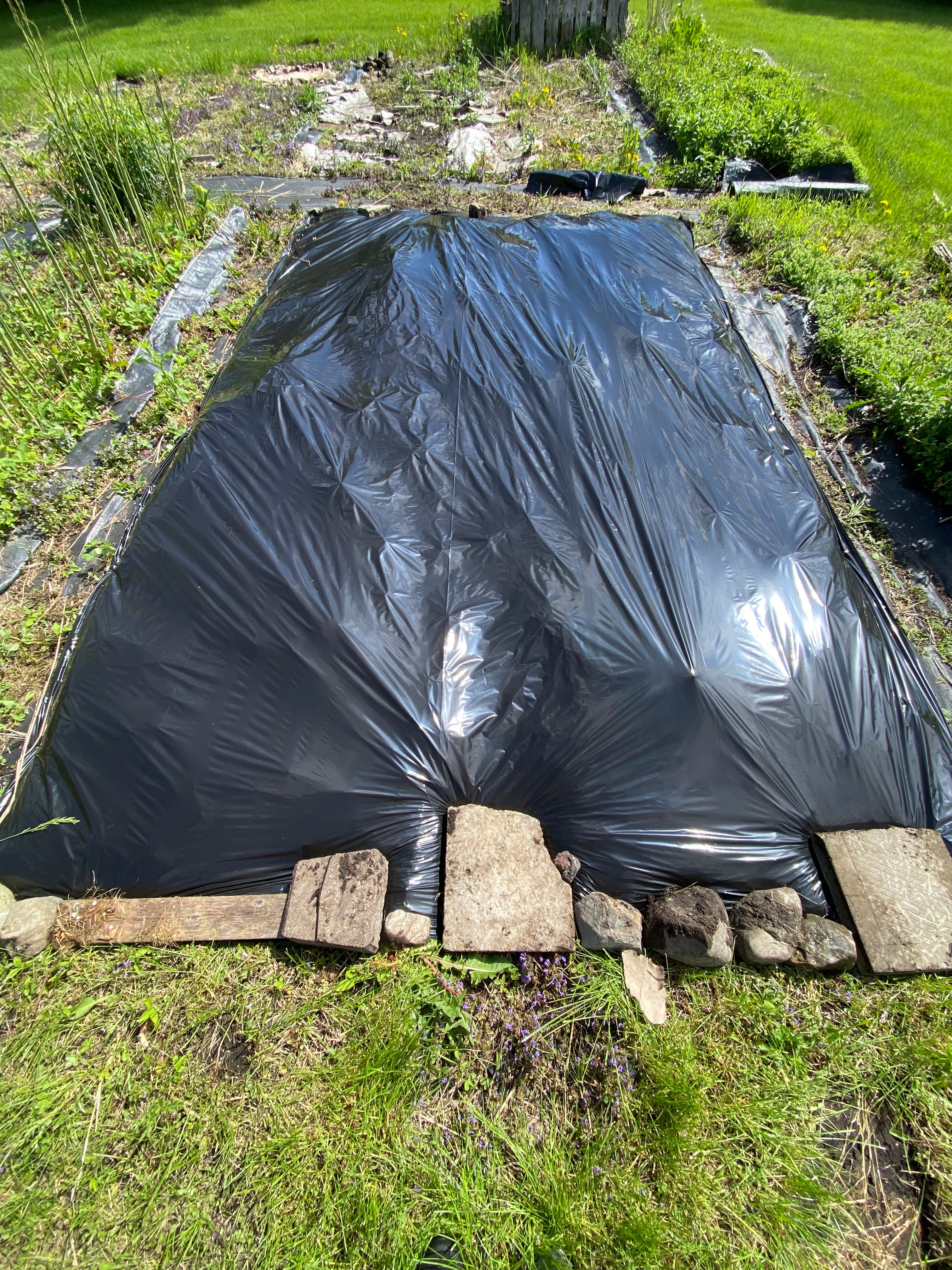
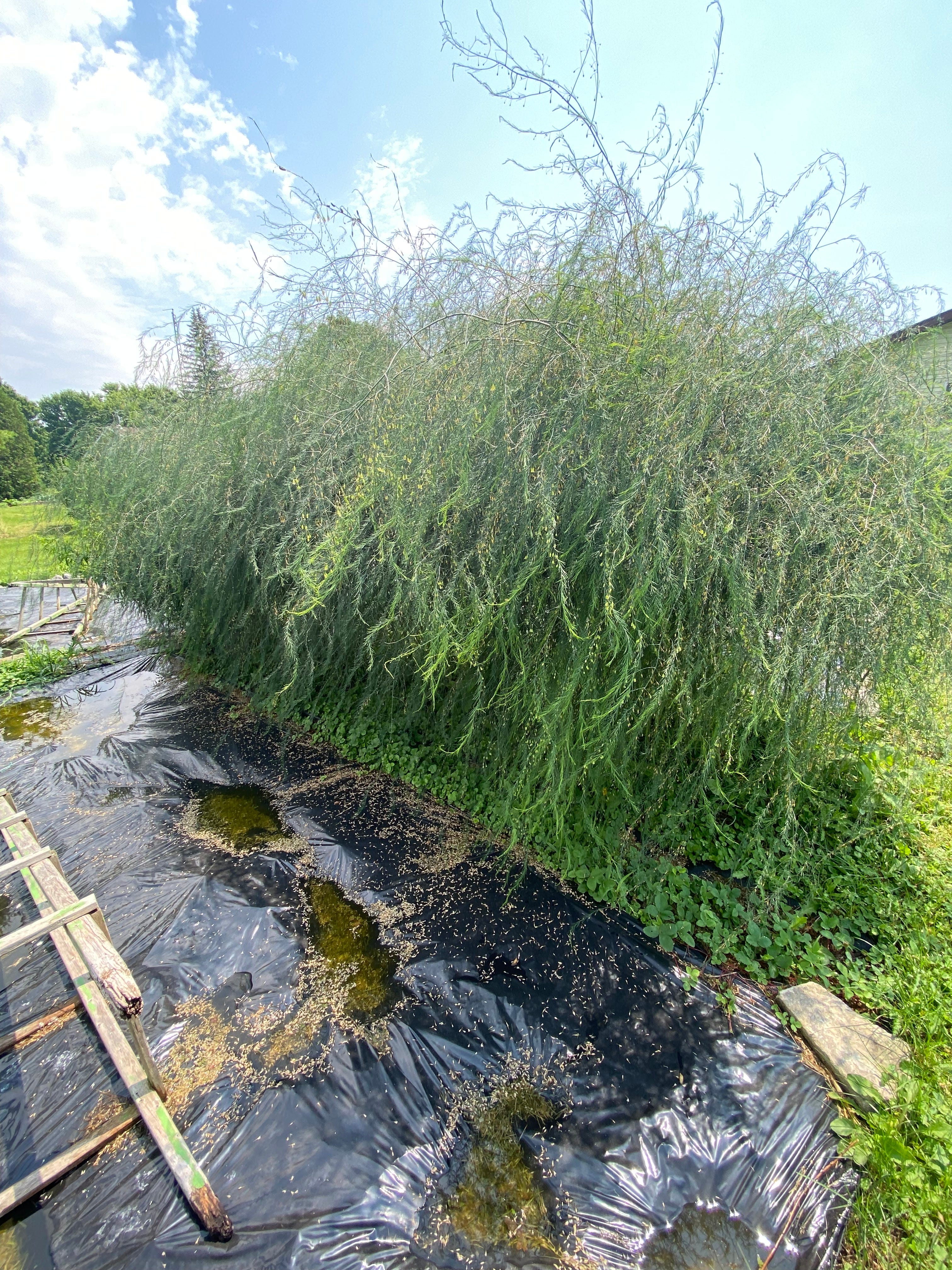
I have one bed of perennial herbs (oregano, marjoram, thyme, lemon balm and mint) and a well established asparagus bed in my veggie plot. They basically tend themselves at this point; but the rest of my veggie plot was tarped off to keep weeds and grass from taking over. This spring (2026) is when I had planned to remove all the tarps and go full tilt at the garden again… but that moment where I was trying to figure out how to split myself in two has me rethinking that plan.
One of my favourite gardening accounts (both on Instagram and here on Substack) is frontyardveggies. In her weekly newsletter, Pizza Friday, Amy recently shared her method for prioritizing her gardening tasks and it inspired me to write out all the tasks I had intended to do this year. From there I’m going to attempt to do future Jessica a solid and scale back and prioritize which tasks I’ll actually dedicate my energy to this year and which ones I can (and should) leave for later seasons.
The list of gardening tasks that have been piling up in my brain:
Start a berry patch (strawberries, blueberries, raspberries and blackberries)
Start my fruit tree orchard (apples and plums, maybe pears)
Continue pulling out the daylilies from my flowerbeds, which I started last year
Start a new hollyhock bed along my fence
Move the snowball bush plant in my driveway garden to a new location along my fence line
Dig up several pine tree saplings I planted along the creek several years ago as they’re getting large and need to be moved to their permanent locations
Replant my wildflower patch in my back patch of yard
Finish building my mini frog pond beside my veggie garden
Build a bug hotel beside my compost bay and figure frog pond
Add perennial flower patch/border along east side of my veggie garden
Do a mass planting of purple coneflowers and black eyed susan’s along the front ditch of my yard
Yank out the lily of the valley from my front flowerbed
Continue expanding my patio garden containers
Put a trellis entryway to my veggie garden
Add a “mud kitchen” area in or bedside my veggie garden for my kids
Each of these tasks will have to be broken down into smaller sub tasks so I can truly decide if I have the capacity to both start AND finish them this year. “Start a berry patch” in reality is probably a ton of smaller tasks (prep the soil, clear the space of weeds, build trellises, etc,) I’m great at starting projects, not so great at finishing them (that would be the procrastination kicking in).
While I mull over which tasks to cull from my to do list this, I naturally head to my bookshelves to help to determine the workload of each task. I find slowing down before the season gets going and doing as much research as I can while the garden is still buried in snow helps me have a realistic understanding of the workload I’m contemplating taking on.
For regular gardening book recommendations sent straight to your email, make sure to subscribe to The Gardening Bookworm newsletter
Gardening Books to help you plan your season
I’ve currently got the below books checked out from my local library:
Martha Stewart's Gardening Handbook: The Essential Guide to Designing, Planting, and Growing―Martha Stewart's Handbook For Growing Beautiful Plants and Vegetables
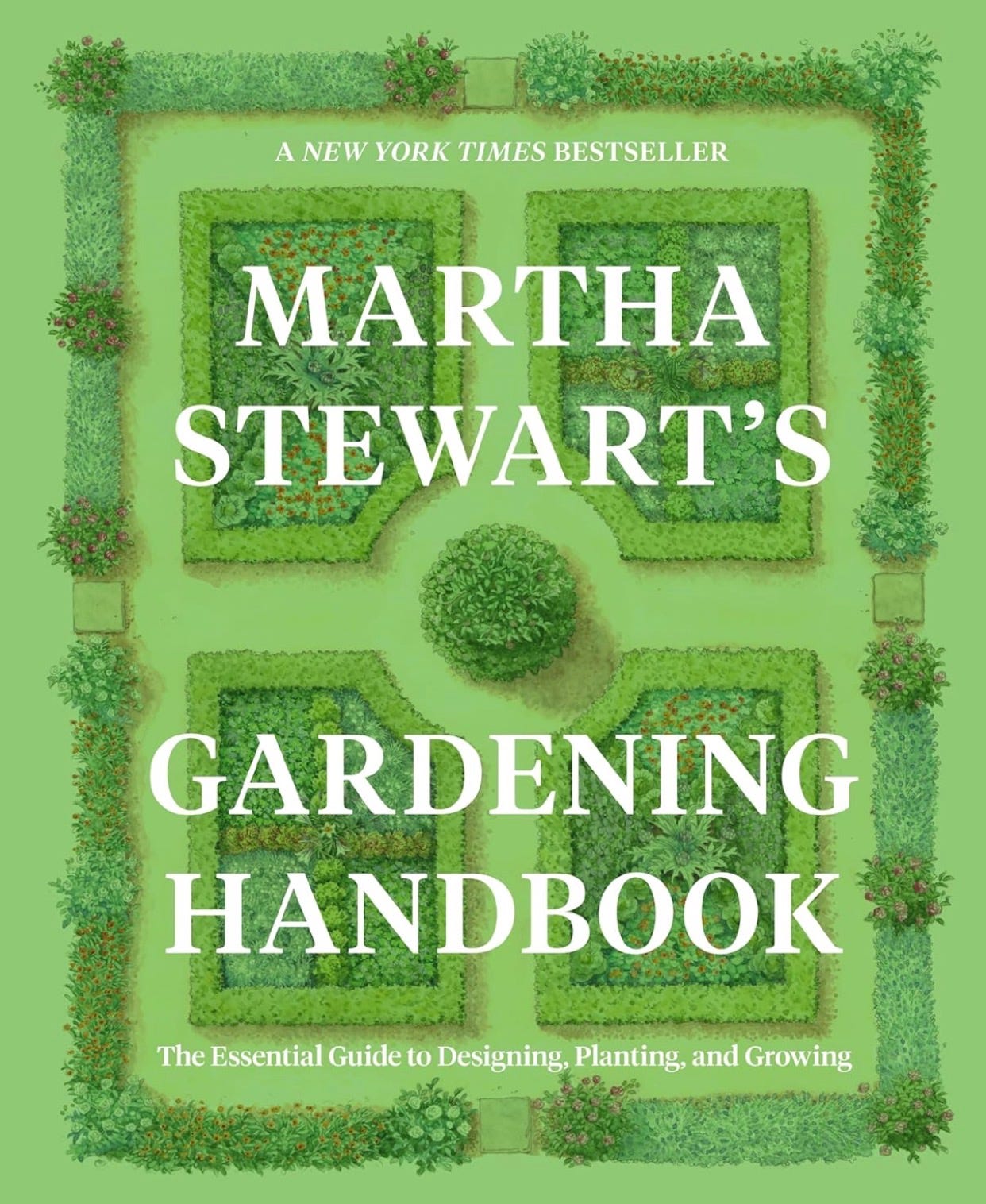
This book is HUGE. It’s 386 pages in total. The illustrations are gorgeous and like all of Martha’s books it’s beautifully and logically organized and well laid out. I’ve had to check it out from the library multiple times as it’s too big for me to get through before it’s due. I’m primarily referencing this book for inspiration and design tips to help plan layout structure changes. The basic layout of my veggie garden will remain the same (it’s one large square, with 10-12 smaller beds within it, walking path around each bed) but where I put my trellises, bean poles, and a couple of planters can change from year to year.
I’ll eventually purchase this one for my permanent collection of gardening books. Once i’ve fully finished it, I’ll review it here.
Homegrown Berries: Successfully Grow Your Own Strawberries, Raspberries, Blueberries, Blackberries, and More
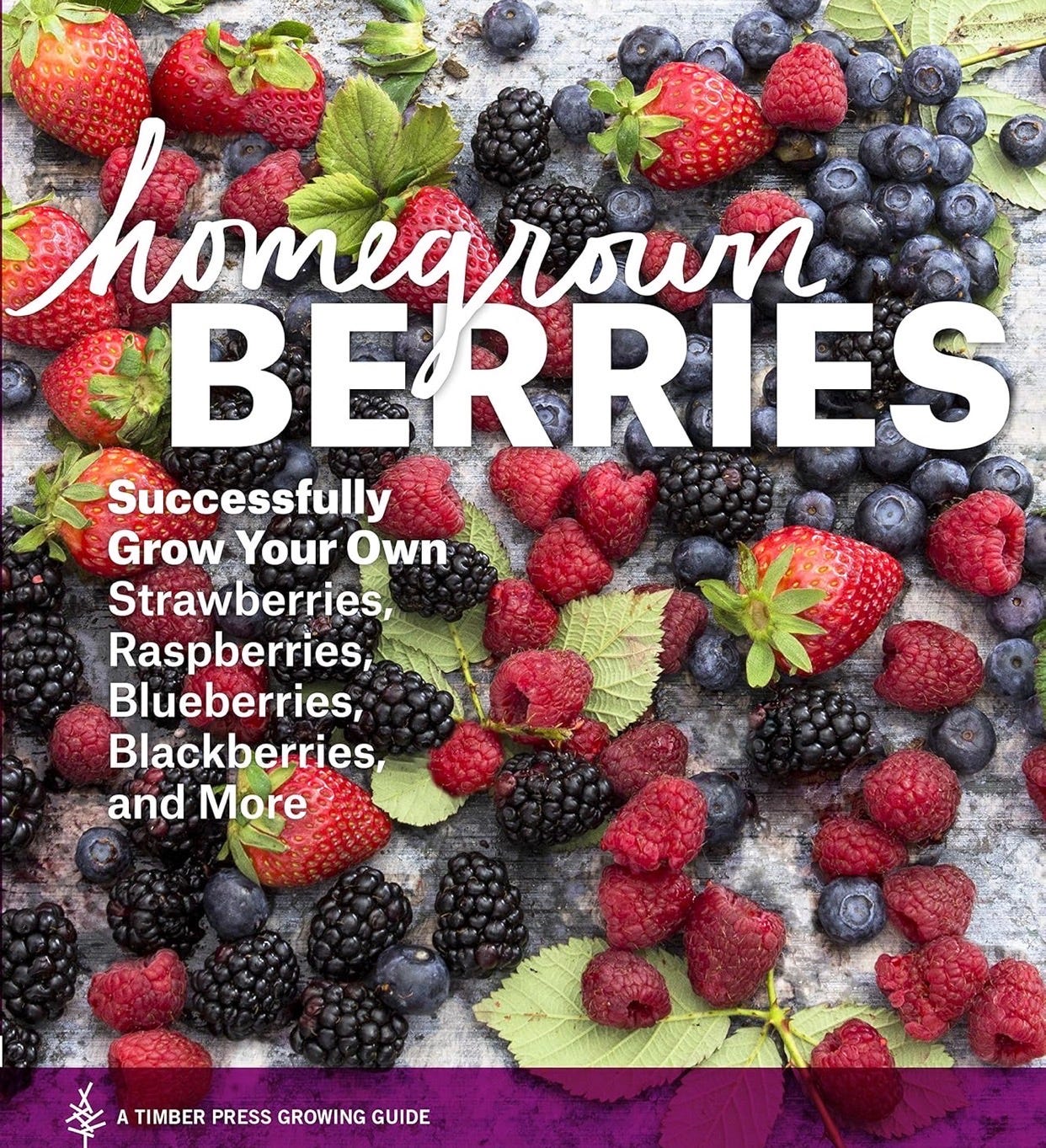
I’ve also checked this book out multiple times this winter. I love how everything is neatly laid out and the chapters are sectioned according to which type of fruit you want to grow and where you’re at in the process (just starting out or maintaining your fruit beds). I always have a notebook handy when flipping through this one as it’s inspiring lots of to do lists, further research and ideas for how I want to lay out and plant my future fruit patches. I’m primarily referencing this one for how to properly prep a new fruit bed to set it up for long term success, right from the get go. The area where I plan to put my fruit beds will need soil testing and potential amendments before I can actually start planting fruits.
I plan to also purchase my own copy of this book for my permanent collection as it’s been very useful and I feel as though I’ll reference back to it a lot as I learn to grow fruit.
Books I’m pulling off my own bookshelves:
Rewild Your Garden: Create a Haven for Birds, Bees and Butterflies
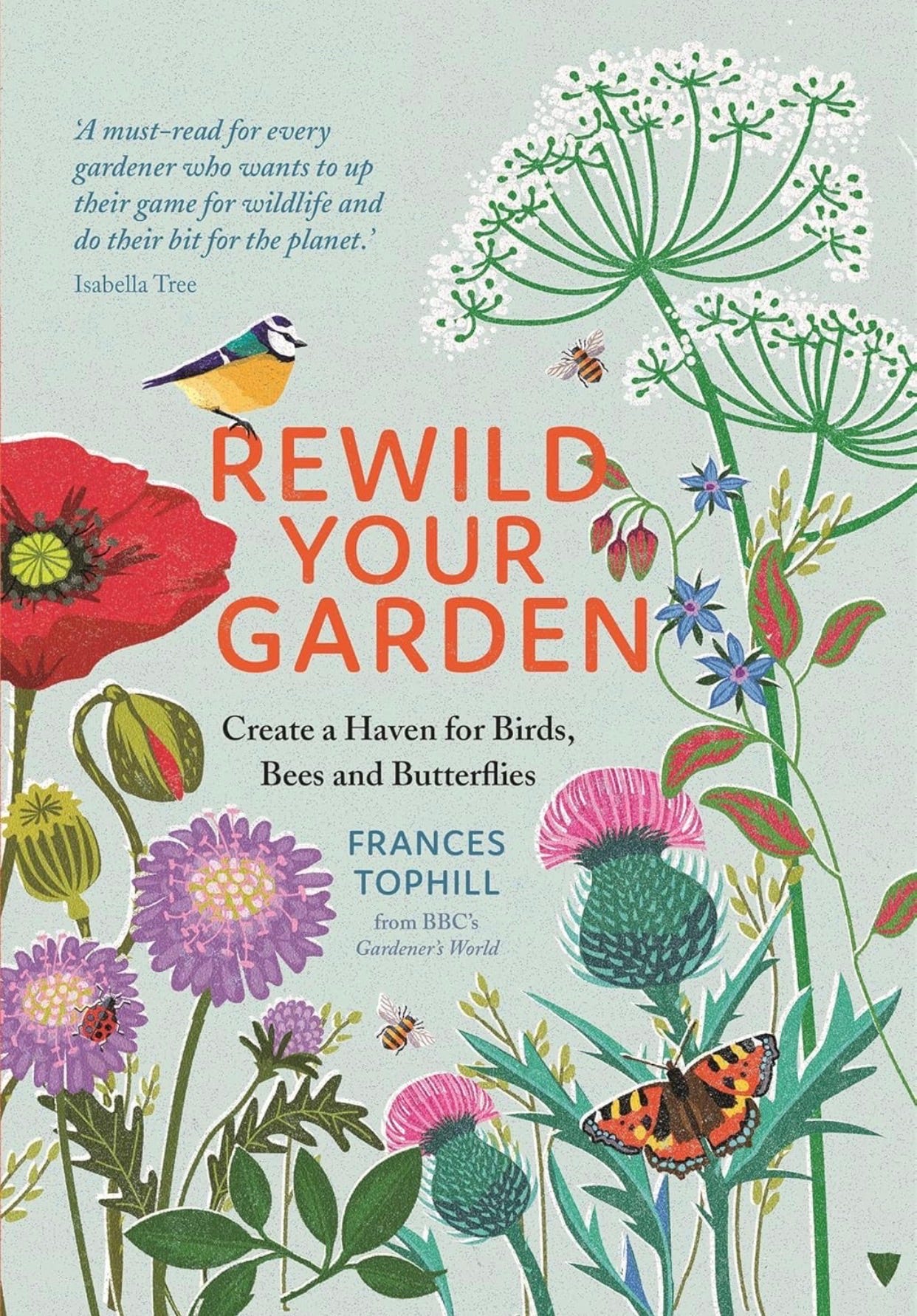
Frances Tophill is one of my favourite gardener’s. I love watching her on Gardener’s World. I purchased this book when it first came out in Canada and I’ve pulled it off my bookshelf so many times. It’s beautifully illustrated and provides practical tips for how to encourage bugs, bees and butterflies to visit your garden. I’ve been using this book as inspiration for how to incorporate and plan a bug hotel in my veggie plot, as well as what to do about my frog pond that I have stopped and started more times than I can count.
Canadian Gardener's Guide 3rd Edition
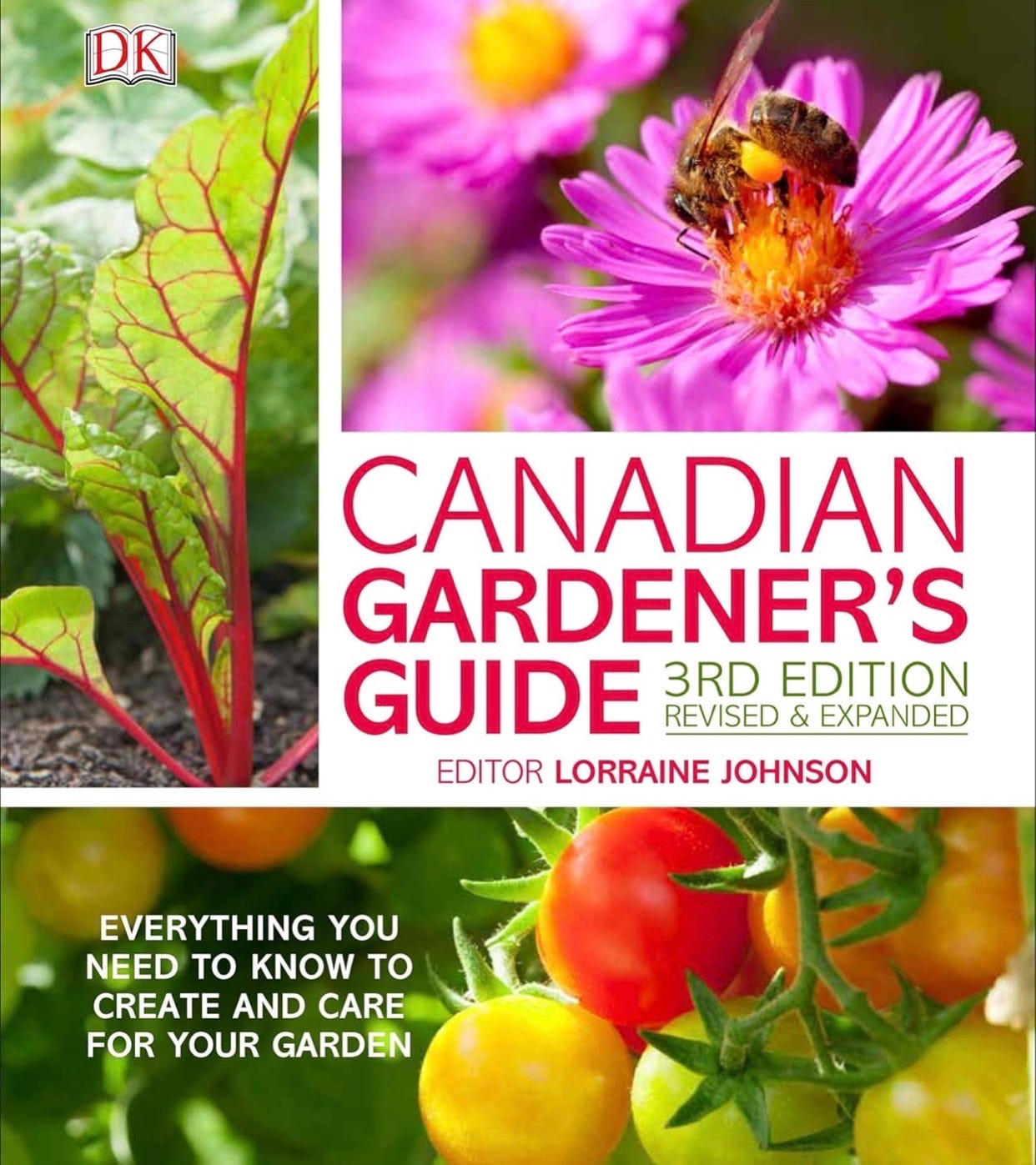
I bought the Canadian Gardener’s guide the first year I started gardening and it’s been pulled off my bookshelf and leafed through more times than I can count. I always have this book close at hand when planning my garden every year. I use it to make sure what I want to put in each bed will grow well together and what kind of conditions each plant needs to thrive.
Do you know another gardening bookworm? Share this post with them!
What’s on your gardening radar for this year? Share your plans in the comments 👇
Other books I’m reading & listening to this week:
On Audible: Still working my way through Ten Tomatoes That Changed The World by William Alexander.

Physical book: The Hidden Kingdon of Fungi by Keith Seifert
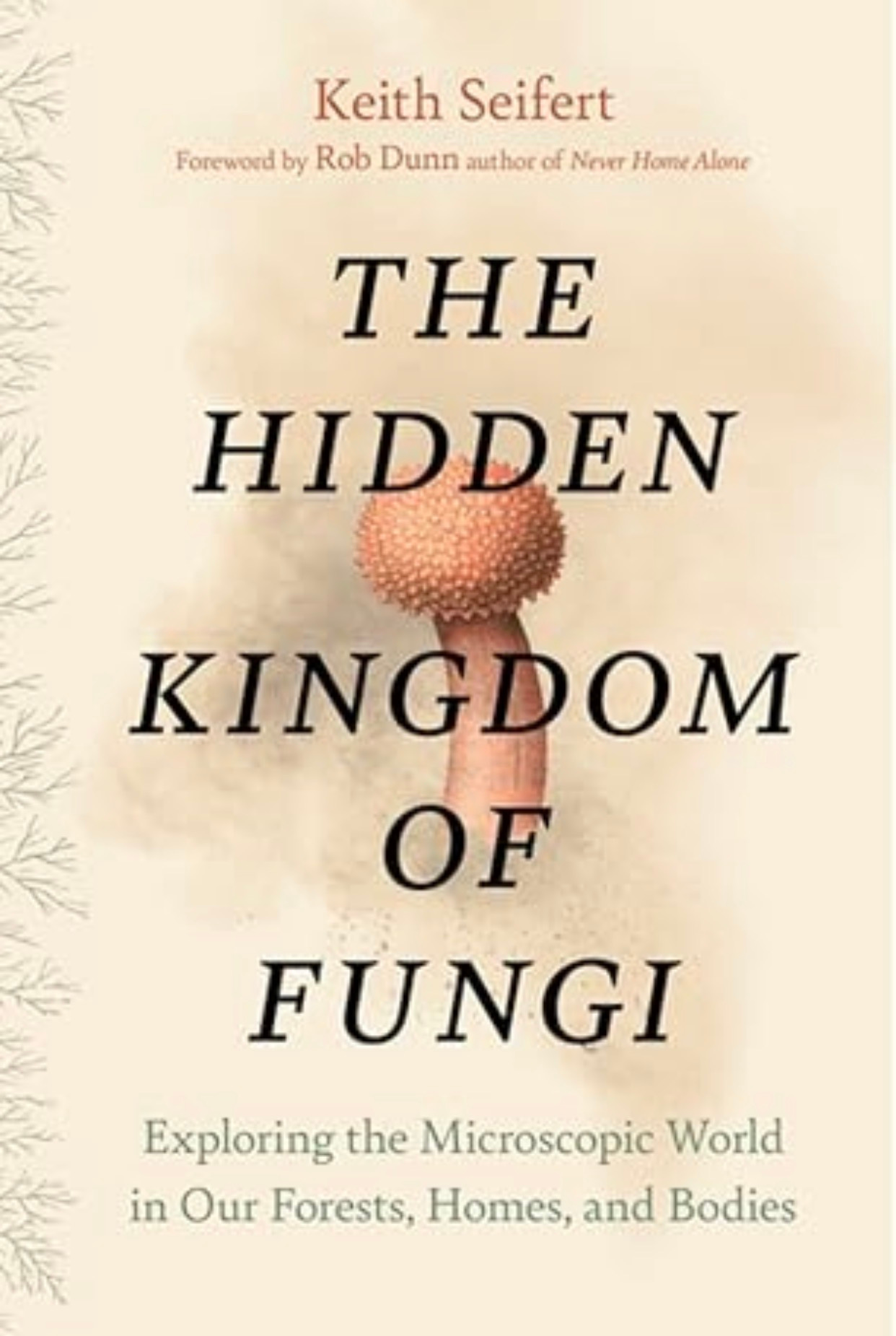
Gardening Show I’m currently loving:
American Garden’s with Monty Don
Until next week, Happy reading! - Jess